Causes
BMD: Another Reason to Check for Ticks
Lyme disease isn’t the only reason to watch out for ticks. The bite of these tiny pests can infect you with other diseases as well. One you may not know about is Borrelia miyamotoi disease (BMD).
What is BMD?
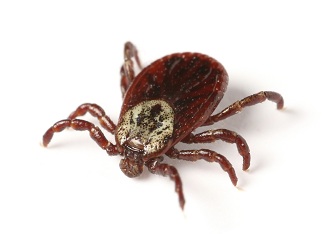
Borrelia miyamotoi is a type of bacteria. They can lurk inside certain species of ticks. In the U.S., these are the black-legged tick (or deer tick) and the western black-legged tick.
If you are bitten by a tick that carries Borrelia miyamotoi, you may develop BMD. Most cases in the U.S. have occurred in Northeastern states and California. But experts believe BMD is a threat wherever black-legged ticks roam. They can be found along the Pacific Coast, in the Northeast, and in the upper Midwest.
What are the symptoms of BMD?
A person with BMD may first suspect the flu. The disease often strikes with a fever, chills, and a severe headache. An infected person may also suffer from an upset stomach and muscle and joint pain. Long-lasting fatigue is common, too.
How is BMD diagnosed and treated?
BMD may be hard to diagnose. Two types of blood tests can help find out if you may be infected with Borrelia miyamotoi. Your healthcare provider will ask about your symptoms and any history of a tick bite. If they suspect BMD, you will need antibiotics for 2 to 4 weeks.
Most people who are infected with BMD fully recover. But some may need a hospital stay. People with other health problems or a weakened immune system may suffer worse symptoms.
Can you prevent BMD?
Like other tick-borne illnesses, BMD can be prevented. Stay away from tick habitat. Ticks favor heavily wooded areas, especially high grass and leaf litter.
Here are some other tips to fend off ticks:
-
Apply insect repellant if you are venturing into an area where ticks may live. Repellants containing the chemicals DEET or picardin (applied to the skin), or permethrin (applied to clothing) are effective against them.
-
Check your body thoroughly for ticks after returning from tick-prone places. Ticks tend to favor areas under the arms, behind the knees, around the ears, and in the hair. You should also inspect gear and clothing.
-
If you do find a tick on your body, remove it as soon as possible with a set of fine-tipped tweezers. After you have completely removed the tick, thoroughly wash the area and your hands with rubbing alcohol, iodine, or soap and water.
-
Keep your yard clear of ticks. Remove leaf litter and tall grass. Place furniture and play equipment away from yard edges. You may also want to apply a pesticide at the appropriate time of the year.
Know these tick-borne illnesses, too
More than a dozen illnesses are linked to ticks. Along with BMD, you should also be aware of Rocky Mountain spotted fever, the Heartland virus, and anaplasmosis.
The symptoms of these diseases are like other tick-borne illnesses. They cause fever, muscle pain, headache, and nausea. Their nonspecific symptoms can make a diagnosis a challenge. Rocky Mountain spotted fever typically causes a fever and a red rash.
Antibiotics may work for Rocky Mountain spotted fever and anaplasmosis. But they aren’t effective against the Heartland virus. Instead, treatment usually includes fluids and medicine to ease pain.
Author: Semko, Laura
Online Medical Reviewer: Amy Finke RN BSN
Online Medical Reviewer: Barry Zingman MD
Online Medical Reviewer: L Renee Watson MSN RN
Date Last Reviewed: 05/01/2023
© 2000-2025 The StayWell Company, LLC. All rights reserved. This information is not intended as a substitute for professional medical care. Always follow your healthcare professional's instructions.

