Nutrition
Should Your Family Go Plant-Based?
February 2024
What can you feed your sprouts so that they grow up healthy and strong? Consider a plant-based diet.
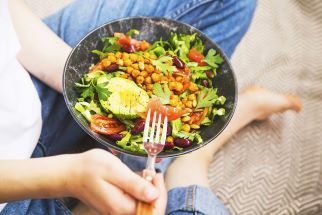
These eating plans are rich in fruits, veggies, nuts, and whole grains. They can offer plenty of health benefits to your kids—and your family.
Research suggests that children who eat this way tend to be at a healthier weight. Their risk for conditions like heart disease, diabetes, and high blood pressure also decreases.
Guidelines for a veggie-friendly family
A plant-based diet doesn’t have to be vegetarian. But it does feature more food that grows in the ground and less that comes from animals.
To follow a plant-based diet, try to:
-
Make half your plate veggies at lunch or dinner.
-
Choose fruit instead of sweets for dessert.
-
Eat the rainbow—offer produce of all different colors. Aim to serve leafy greens daily.
-
Consume less meat, or remove it altogether, from at least one or two meals per week.
-
Opt for healthy fats, such as those found in nuts, seeds, avocados, and olive oil.
Vegetarian or vegan diets—which cut all animal products—can be healthy for kids, too. But it’s a good idea to talk with your child’s pediatrician to be sure they’re getting all the right nutrients.
Plant-based doesn’t mean high-priced
Going meatless has another benefit: Animal foods are often costlier. So, if you shop right, you can save money.
To get plant-based foods for less:
-
Prioritize produce. Begin by choosing raw, fresh fruits and veggies. Local produce that’s in season is often the best deal—and the most flavorful. Check farmers markets if you don’t see any in grocery stores.
-
Fill up your freezer. That said, frozen varieties contain the same nutrients but last longer. Canned foods work, too. Always check labels and avoid added sugars and salt.
-
Pick your protein. Foods like beans, lentils, eggs, and canned fish are inexpensive, filling, and nutritious.
-
Seek out support. Government programs and food banks offer access to plenty of plant-based staples. Here are twooptions.
Kids don’t always love veggies and other plant-based foods at first. But if you serve them often—and set a good example by eating them yourself—they’ll become part of your family’s routine.
Online Medical Reviewer: Brian McDonough, MD
Online Medical Reviewer: Stacey Wojcik, MBA, BSN, RN
Date Last Reviewed: 12/01/2023
© 2000-2025 The StayWell Company, LLC. All rights reserved. This information is not intended as a substitute for professional medical care. Always follow your healthcare professional's instructions.