Dementia is the name for a group of brain conditions that make it harder to remember, reason, and communicate. The most common form of dementia is Alzheimer disease. Other types include vascular dementia, frontotemporal dementia, and Lewy body dementia. Years ago, dementia was often called senility. It was even thought to be a normal part of aging. We now know that it’s not normal. It’s caused by ongoing damage to cells in the brain.
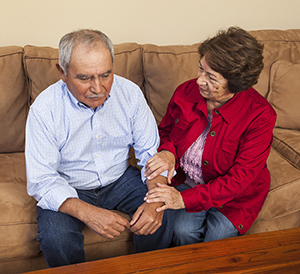
Symptoms of dementia
Symptoms differ depending on which parts of the brain are affected and the stage of the disease. The most common symptoms include:
-
Memory loss, including trouble with directions and familiar tasks
-
Language problems, such as trouble getting words out or understanding what is said
-
Trouble with planning, problem-solving, organizing, concentration, and judgment. This includes people not being able to recognize their own symptoms.
-
Changes in behavior and personality
How dementia affects the brain
The brain controls all the workings of the mind and body. Some parts of the brain control memory and language. Other parts control movement and coordination. With dementia, nerve cells in the brain are gradually damaged or destroyed. In many cases, why this happens is not yet clear. But over time, parts of the brain begin to shrink (atrophy). This often starts in the part of the brain that controls memory, reasoning, and personality. Other parts of the brain may not be affected until much later in the illness.
The stages of dementia
Dementia is a progressive disease. This means it gets worse over time. Symptoms differ for each person, but there are 3 basic stages. Each may last from months to years:
-
Early stage. A person may seem forgetful, confused, or have changes in behavior. But they may still be able to handle most tasks without help.
-
Middle stage. More and more help is needed with daily tasks. A person may have trouble recognizing friends and family members, wander, or get lost in familiar places. They may also become restless or moody.
-
Late stage. Dementia can cause severe problems with memory, judgment, and other skills. Help is needed with nearly every aspect of daily life.
Treating dementia
Right now, there’s no cure for dementia. But with the correct care, many people can live comfortably for years:
-
Medicines are a key part of treatment. Some types can help slow the progression of symptoms, such as memory loss. Others can help ease mood, behavior, and sleep problems. These medicines work for some people but not all.
-
Activity and exercise are good for body and mind. They may even help slow the progression of the disease. Simple, repetitive activities are good choices.
-
Regular healthcare provider visits help keep track of symptoms and overall health.
-
The sleep-wake cycle can be mixed up in people with dementia. They may function better being up at nighttime and sleeping during the daytime.
-
Social interactions are important to maintain. Educate family members and friends about dementia. Plan social situations so they are not stressful to the person. Limit the number of visitors or the length of the visit.
Online Medical Reviewer: Joseph Campellone MD
Online Medical Reviewer: Marianne Fraser MSN RN
Online Medical Reviewer: Raymond Kent Turley BSN MSN RN
Date Last Reviewed: 03/01/2024
© 2000-2025 The StayWell Company, LLC. All rights reserved. This information is not intended as a substitute for professional medical care. Always follow your healthcare professional's instructions.