Salmonella infection (salmonellosis) is an illness that affects your intestines. It is caused by Salmonella bacteria. You can be infected by eating or drinking contaminated food or water. Beef, pork, chicken, eggs, and unpasteurized milk are more likely to carry this bacteria than other foods. But vegetables may also be contaminated. Salmonella most often passes through food that hasn’t been cooked well enough. Or food that contains raw meat or eggs. You can also be infected by contact with the stool (feces) of infected animals. Or by food that an infected food handler contaminates.
Common symptoms of Salmonella infection
Symptoms often start
-
Fever
-
Stomach cramps
-
Diarrhea
-
Headache
-
Muscle pain
-
Vomiting
-
Upset stomach (nausea)
Diagnosing Salmonella infection
A healthcare provider takes a sample of your stool and checks for Salmonella. More than 1 stool sample may be needed.
Treating Salmonella infection
Most otherwise healthy people get better in
When to call the healthcare provider
Call your healthcare provider if you have any of these:
-
New symptoms or symptoms don't get better after
2 days -
Blood in your stool
-
Severe vomiting
-
Severe belly pain
-
Fever
-
Signs of dehydration:
-
Dry, sticky mouth
-
Less urine output
-
Very dark urine
-
Confusion
-
Preventing Salmonella infection
Follow these steps to reduce your chances of getting or passing on Salmonella infection:
-
Wash your hands well with soap and clean, running water. Or use an alcohol-based hand cleanser that contains at least 60% alcohol. Do this often. Always wash your hands before making meals. Contaminated foods often have no abnormal smell or look. This is why it is important to know how to prevent infection. Wash after going to the bathroom, changing diapers, helping someone who has diarrhea, or handling pets or other animals. Teach your child to do the same. Scrub for at least 20 seconds. Scrub under your fingernails and between your fingers. While you wash, sing the ABC song or the Happy Birthday song to reach the 20-second goal. Use a towel to dry your hands and open the door.
-
Use a food thermometer when cooking. Cook poultry to at least 165°F (74°C). Cook pork and ground meats to at least 160°F (71°C). Cook beef or lamb to at least 145°F (63°C). Cook eggs until the yolks are firm and not still runny.
-
Wash or peel fresh fruits and vegetables before eating.
-
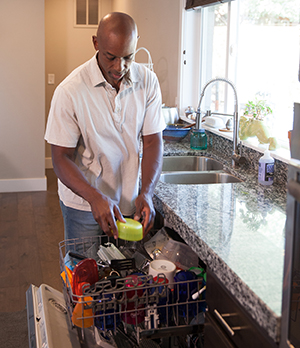
Wash cutting boards and utensils with hot water and soap after each use. After preparing raw meat or eggs, clean boards and counters with hot water and soap.
-
If you have a Salmonella infection, don't make drinks or food for others until you no longer have diarrhea.
Online Medical Reviewer: Heather M Trevino BSN RNC
Online Medical Reviewer: Marianne Fraser MSN RN
Online Medical Reviewer: Rajadurai Samnishanth
Date Last Reviewed: 04/01/2024
© 2000-2025 The StayWell Company, LLC. All rights reserved. This information is not intended as a substitute for professional medical care. Always follow your healthcare professional's instructions.