If leg swelling because of chronic venous insufficiency isn’t controlled, an open wound (ulcer) can form. Ulcers vary in size and shape. But they usually appear on the inside of the ankle.
Treating an ulcer
-
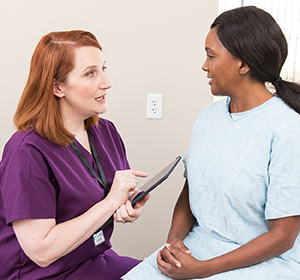
See your healthcare provider. Ulcers need frequent medical care. Special dressings may be applied. You may be given antibiotics to fight infection.
-
Your provider may prescribe medicines, such as aspirin or pentoxifylline, to help the ulcer heal.
-
Your provider may prescribe compression stockings to help with the swelling.
-
Raise (elevate) your legs often to reduce swelling. The ulcer needs oxygen-rich blood to heal. This blood can’t reach the ulcer until swelling is reduced.
When to call your healthcare provider
Call your healthcare provider right away if you have any of the following:
-
More pain
-
Fever of 100.4°F (38°C) or higher, or as directed by your provider
-
The area around the ulcer becomes red, sore, or both
-
The ulcer oozes discolored fluid or smells bad
-
Swelling increases suddenly or the dressing feels tight
Online Medical Reviewer: Anne Fetterman RN BSN
Online Medical Reviewer: Deepak Sudheendra MD
Online Medical Reviewer: Raymond Kent Turley BSN MSN RN
Date Last Reviewed: 03/01/2024
© 2000-2025 The StayWell Company, LLC. All rights reserved. This information is not intended as a substitute for professional medical care. Always follow your healthcare professional's instructions.
Find a cardiac specialist
Because every beat matters, our cardiac doctors are dedicated to providing care like no other can.
Related Articles
High Cholesterol and Peripheral Arterial Disease (PAD)
High cholesterol can harm your arteries, raising your risk for peripheral arterial disease (PAD).
Procedures for Deep Vein Thrombosis
A DVT is a blood clot deep inside a leg, arm, or other part of your body. Most often, a blood clot is treated with medicines that help to dissolve the clot. But in some cases, procedures may be advised. Read on to learn more.
Putting on Thigh-High Compression Stockings
Here are images to help you understand how to put on thigh-high compression stockings.
Discharge Instructions: Changing the Dressing on Your Central Line
Since a central line provides a direct path into your bloodstream, there is a high risk of infection when you change the dressing. Follow these step-by-step instructions to do this safely.