Treatment
The Power of Meditation
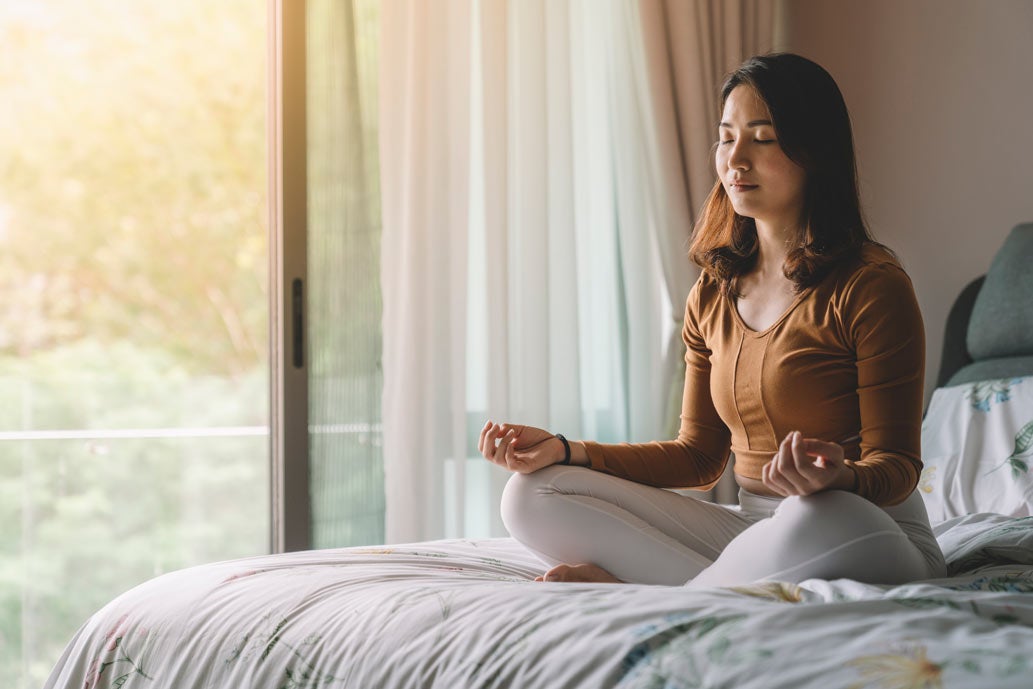
Worry, anxiety, and stress can be more than distractions. Constantly replaying in your mind daily problems and fears can affect your mental and physical health.
Controlling your attention as you meditate can help you feel more relaxed and at peace. And this peacefulness often lasts far beyond the meditation itself. So when stress appears hours later, you have the means to redirect it.
Meditation lets you become more aware and more purposeful about your actions. It teaches you how to respond, rather than react, to situations in your life.
Meditation sounds simple. But it takes discipline to remain still in body and mind. You have to block out the world around you and quiet your thoughts. You also need to practice at least 10 to 20 minutes a day to get the most out of your meditation.
Some healthcare providers include meditation as part of the treatment for many conditions.
The benefits of meditation include:
-
Lower blood pressure
-
Decreased pain
-
Better immune system function
-
Better mood and brain function
There are many theories about how meditation may improve your physical and mental health. One theory is that it reduces activity of the sympathetic nervous system. This leads to a slower heart rate, lower blood pressure, slower breathing, and muscle relaxation.
Mindfulness meditation
Mindfulness meditation helps you zero in on your thoughts and images as they appear to you. You focus on an awareness of the present moment. You start with a single central point, such as your breath. Then you expand to include thoughts, emotions, and sensations. Here are some tips to keep in mind when you meditate:
-
Find a quiet place with few distractions. Sit in a chair or on the floor.
-
Be aware of your breathing and focus on the sensation of air moving in and out of your body as you breathe. Feel your belly rise and fall and the air enter your nostrils and leave your mouth.
-
Watch every thought come and go. When thoughts come up, don't hold them back. Simply note them and return to your breathing.
-
As the time comes to a close, sit for 1 or 2 minutes, becoming aware of where you are. Get up slowly.
For best results, try to meditate every day for 20 to 30 minutes.
Moving meditation
Fitting an extra 20 to 30 minutes of meditation into your already busy day may be hard. Another option is to try a form of exercise that combines fitness with meditation. These include:
-
Yoga. This focuses on breathing, movement, and posture to help you relax and control stress.
-
Tai chi. This form of meditation combines slow, gentle movements and deep breathing.
-
Walking meditation. With this method, you slow down your walk. Then you can focus on your steps and the movement of your legs and feet.
Author: Floria, Barbara
© 2000-2025 The StayWell Company, LLC. All rights reserved. This information is not intended as a substitute for professional medical care. Always follow your healthcare professional's instructions.