Ethylene oxide gas is commonly used to sterilize medical devices and equipment. It is a flammable gas with a slightly sweet (ether-like) odor. If the gas isn’t fully evaporated during aeration procedures, it can damage skin and other body tissue. You’ll be trained to work with this gas safely and to use the sterilization and aeration equipment correctly. Ask your supervisor if you have any questions.
Use PPE (personal protective equipment)
Wear the protective gloves, gowns, and masks your healthcare facility provides. Also, follow your employer’s system for keeping track of your exposure to gases.
Transport safely
Transfer equipment quickly and safely from the sterilizer to the aeration chamber. Keep equipment at arm’s length and away from your breathing area.
Follow aeration safety steps
Aeration allows gas to evaporate completely under controlled conditions in an approved chamber. Never open the door before the process is finished.
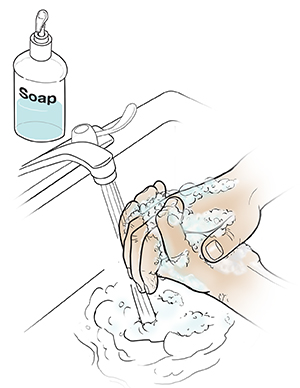
Wash your hands
Wash your hands before eating, drinking, or smoking.
Complications from exposure
Ethylene oxide can affect the skin, eyes, respiratory system, kidneys, adrenal glands, and nervous system. The exposed person may experience headache, vomiting, diarrhea, difficulty breathing, and weakness. It may also cause sterility, spontaneous abortions, birth defects, and cancer.
Online Medical Reviewer: Heather M Trevino BSN RNC
Online Medical Reviewer: Marianne Fraser MSN RN
Online Medical Reviewer: Shaziya Allarakha MD
Date Last Reviewed: 08/01/2024
© 2000-2025 The StayWell Company, LLC. Todos los derechos reservados. Esta información no pretende sustituir la atención médica profesional. Sólo su médico puede diagnosticar y tratar un problema de salud.