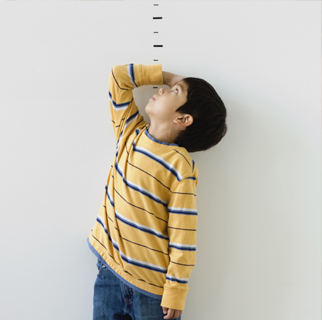
What is considered a normal growth rate?
Normal growth is grouped in a range that pediatricians use to see how a child is growing. Here are some average height and weight ranges, based on growth charts developed by the CDC.
|
Age |
Height - Females (in inches) |
Height - Males (in inches) |
Weight - Females (in pounds) |
Weight - Males (in pounds |
|---|---|---|---|---|
|
1 |
27 to 31 |
28 to 32 |
15 to 20 |
17 to 21 |
|
2 |
31.5 to 36 |
32 to 37 |
22 to 32 |
24 to 34 |
|
3 |
34.5 to 40 |
35.5 to 40.5 |
26 to 38 |
26 to 38 |
|
4 |
37 to 42.5 |
37.5 to 43 |
28 to 44 |
30 to 44 |
|
6 |
42 to 49 |
42 to 49 |
36 to 60 |
36 to 60 |
|
8 |
47 to 54 |
47 to 54 |
44 to 80 |
46 to 78 |
|
10 |
50 to 59 |
50.5 to 59 |
54 to 106 |
54 to 102 |
|
12 |
55 to 64 |
54 to 63.5 |
68 to 136 |
66 to 130 |
|
14 |
59 to 67.5 |
59 to 69.5 |
84 to 160 |
84 to 160 |
|
16 |
60 to 68 |
63 to 73 |
94 to 172 |
104 to 186 |
|
18 |
60 to 68.5 |
65 to 74 |
100 to 178 |
116 to 202 |
A child may be growing, but their growth pattern may not fit the normal pattern. And this is OK. Ultimately, the child should grow to normal height by adulthood. If you think your child or teen is not growing correctly, always talk with your child's healthcare provider.
Featured in
Date Last Reviewed: 08/01/2023
© 2000-2025 The StayWell Company, LLC. All rights reserved. This information is not intended as a substitute for professional medical care. Always follow your healthcare professional's instructions.