Sodium is a mineral. Your body needs it in small amounts. But most people eat far more salt than they need. That's because there is often a lot of salt in packaged foods and in restaurant foods. If you cook with fresh foods at home, it's easier to control your salt.
When your sodium intake is too high, it can cause your body to retain fluid. It can put stress on your kidneys. People with chronic kidney disease are often told to eat less sodium. The tips on this sheet can show you how.
People with chronic kidney disease should have less than 1,500 milligrams (mg) of sodium daily. Table salt is sodium chloride. One level teaspoon of table salt has 2,300 mg of sodium.
When you shop for food
When you’re food shopping:
-
Buy fresh foods when you can. Fresh foods have no added salt. Cook them at home instead of buying prepared products.
-
Choose canned or frozen vegetables with no added salt or seasoning.
-
Choose fresh or frozen poultry, seafood, and lean meats.
When buying packaged foods:
-
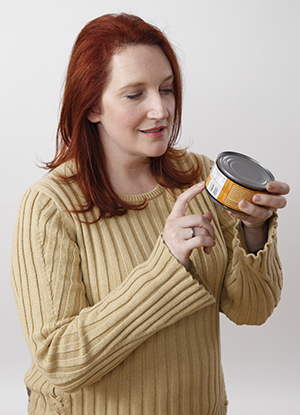
Read food labels before buying. The Nutrition Facts label will tell you how much sodium a food or drink has. Check the sodium amount per serving. Then check how many servings there are per package.
-
Remember to check the sodium content of drinks as well as food.
-
Pick packaged foods with 140 mg (milligrams) or less of sodium per serving.
-
Don't choose foods with more than 400 mg of sodium per serving.
When you cook at home
You can season foods without salt and still have delicious meals. Try these herbs and spices in these foods:
-
Basil: tomatoes, squash, eggplant, soups, fish
-
Curry: soups, rice, lentils, chicken
-
Dill: beets, cucumbers, green beans
-
Garlic: sauces, beans, vegetables, meats, fish
-
Ginger: carrots, chicken, cooked fruit, white sauces
-
Lemon: asparagus, artichokes, broccoli, spinach, fish
-
Mint: cold soups, salads, fruit dishes
-
Oregano: eggplant, chicken, salads, sauces
-
Thyme: chicken, fish, lean meats, soups, stews
If you use salt at home, keep these things in mind:
-
Food with salt added during cooking tastes less salty than when salt is added at the table. So use less salt when you cook, and sprinkle salt at the table if needed.
-
Don't use seasoned salt or salt substitutes. They may contain potassium. This is a mineral people with kidney disease often need to limit.
Online Medical Reviewer: Raymond Kent Turley BSN MSN RN
Online Medical Reviewer: Rita Sather RN
Online Medical Reviewer: Walead Latif MD
Date Last Reviewed: 12/01/2022
© 2000-2025 The StayWell Company, LLC. All rights reserved. This information is not intended as a substitute for professional medical care. Always follow your healthcare professional's instructions.