Dismiss Modal

Management

Stroke: Resources and Support

Choose a preferred language

Your loved one may need ongoing therapy or nursing care after a stroke. Talk with a social worker or case manager. Thy can help with planning for care. They can tell you about local sources of support.


Planning for home care

  • A nurse may come and check their blood pressure.

  • A physical therapist may help with exercises. The therapist will often show your loved one and their family members certain exercises that can be done without supervision.

  • Speech and occupational therapists can help the whole family communicate and handle tasks of daily living better.
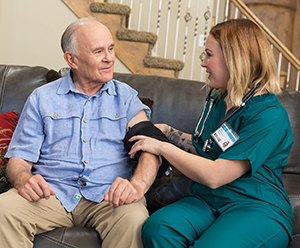
Healthcare provider taking man's blood pressure at home.


Adult daycare

You may be afraid to leave your loved one alone. Adult daycare facilities can provide supervision if you need time away during the day. They also give your loved one a chance to be with other people.


Other resources

You can also check the internet for other resources. Try the following listings:

  • Churches and synagogues

  • Recreation centers

  • Adult daycare

  • Social services

  • Support groups

  • Online stroke support communities

© 2000-2025 The StayWell Company, LLC. All rights reserved. This information is not intended as a substitute for professional medical care. Always follow your healthcare professional's instructions.

Find a doctor that's right for you.

From routine check-ups to groundbreaking treatments and beyond, Crestner Health is here to help you live your healthiest life.

Search our doctors
Related Articles
Read article
Brain Health
For Caregivers: Regaining Movement After Stroke

After a stroke, a person may have trouble using all or part of the body. Improving posture, range of motion, and strength are early goals.

Read article
Brain Health
Effects of a Stroke on the Brain and Body

When blood supply is cut off from the brain, cells begin to die from lack of oxygen. Within minutes, skills, such as reasoning, speech, and some degree of arm, leg, or facial movement, may be lost. The type of skills and the amount of loss depend on which part of the brain was affected, and how much tissue was damaged.

Read article
Brain Health
For Caregivers: Swallowing Problems After Stroke

Some people have trouble swallowing (dysphagia) after a stroke. This makes choking more likely. It also puts their health at further risk for conditions like aspiration pneumonia. To maintain nutritional needs, a speech therapist may teach your loved one ways to improve swallowing.

Read article
Brain Health
For Caregivers: Self-Care After Stroke

After a stroke, people can regain a sense of power by helping to take care of themselves. Many can learn ways to manage a lack of bowel and bladder control. And using impaired arms and legs to bathe and dress helps regain muscle strength. In fact, daily use of affected hands often helps bring back function.