Dismiss Modal

Management

Eye Care Specialists

Choose a preferred language


What is an ophthalmologist?

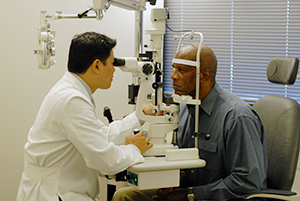
An ophthalmologist is either a medical doctor (MD) or an osteopathic doctor (DO). They provide complete eye care. This includes exams, diagnosis, and treatment for many eye disorders. They are skilled in all types of eye care. They can prescribe eyeglasses and contact lenses. They can also do complex eye surgery. They often specialize in one disease or part of the eye (such as glaucoma specialist or cornea specialist).

What is an optometrist?

This provider is a doctor of optometry (OD) who specializes in eye care. They give exams and diagnose and treat many eye disorders. They don’t often do surgery. But in a few states they can do minor surgical procedures and laser surgery. Some specialize in low vision, contact lenses, or vision rehabilitation. 


What is an optician?

An optician is a technician. They fit, adjust, and fill the prescriptions for eyeglasses and contact lenses prescribed by ophthalmologists and optometrists.


What is an ocularist?

This is a skilled professional. They make and fit artificial eyes (called prosthetic eyes or ocular prostheses). They also give people instructions on how to care for their prosthesis.


© 2000-2025 The StayWell Company, LLC. All rights reserved. This information is not intended as a substitute for professional medical care. Always follow your healthcare professional's instructions.

Find a doctor that's right for you.

From routine check-ups to groundbreaking treatments and beyond, Crestner Health is here to help you live your healthiest life.

Search our doctors
Related Articles
Read article
Eye Care
How to Use Eye Drops

A helpful, step-by-step guide to putting in eye drops safely.

Read article
Eye Care
Understanding Red Eye: Treating the Infection

Most eye infections are caused by viruses or bacteria. Many can spread from person to person. Learn about the symptoms of viral and bacterial eye infections, and also how to treat them.

Read article
Eye Care
Eye Exposure, Chemical

If a chemical comes in contact with the eye, it is very important to flush it out as quickly as possible. The effects of a chemical exposure can range from mild irritation to permanent scarring and vision loss.

Read article
Eye Care
Herpes Eye Disease

Herpes eye disease is a group of eye disorders caused by infection with the herpes simplex virus (HSV).