Dismiss Modal

Treatment

Treating Flashes and Floaters

Choose a preferred language

Most flashes and floaters need no treatment. But sometimes, they can be signs of a serious eye problem. Talk with your eye care provider right away if you see any new flashes or floaters.
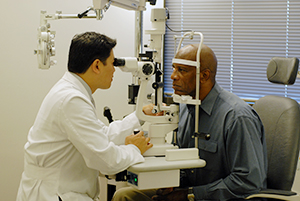
Heath care provider examining man's eyes.


When do flashes need treatment?

Flashes that appear all of a sudden or greatly increase in number may be a sign of a problem. They may be caused by the vitreous pulling on the retina. A retinal tear needs urgent treatment. It can cause the retina to detach from the back of your eye. Rapid vision loss can result. Your eye care provider can find the cause of flashes and decide if treatment is needed.


When do floaters need treatment?

A sudden increase in the number of floaters you see may be a sign of a tear in the retina or of some other eye problem. Over time, a tear can cause the retina to detach from the back of the eye. Your eye care provider can find out what is causing the floaters and advise a treatment plan, if needed.


Warning signs

If you have a sudden increase in floaters or flashes, or if part of your vision is missing, visit your eye care provider as soon as possible. These may be symptoms of a retinal tear or detachment, which can cause long-term (permanent) loss of vision. You will need a complete, dilated eye exam to find the problem.


© 2000-2025 The StayWell Company, LLC. All rights reserved. This information is not intended as a substitute for professional medical care. Always follow your healthcare professional's instructions.

Find a doctor that's right for you.

From routine check-ups to groundbreaking treatments and beyond, Crestner Health is here to help you live your healthiest life.

Search our doctors
Related Articles
Read article
Eye Care
Having Scleral Buckling Surgery

Scleral buckling surgery is a type of eye surgery. It’s done to correct a detached retina. It can restore vision.

Read article
Eye Care
Small-Incision Cataract Surgery: Implanting the New Lens

Once your old lens has been removed, your surgeon slips the new lens (IOL or intraocular lens) in through the incision. The IOL is then placed in the capsule that held your old lens.

Read article
Eye Care
Having Pneumatic Retinopexy

Pneumatic retinopexy is a procedure to correct a detached retina. It helps to bring back vision. It uses a special tool to fix the retina and a small bubble of gas to hold the retina in place so it can heal.

Read article
Eye Care
Treatment for Corneal Ulcer

A corneal ulcer is an open sore on your cornea. Treatment may include medicine to treat the infection, as well as medicine to ease pain and swelling.