Your healthcare provider will outline a treatment plan to help you live better with cardiomyopathy. This will stop your condition from getting worse and possibly causing serious problems for your heart and lungs. Follow your healthcare provider's instructions. You can also make some lifestyle changes that will help your heart.
Follow your treatment plan
Visit your healthcare provider regularly. Talk about any problems you're having with your treatment plan. Be honest if you're not doing something your provider has advised. They may be able to make some changes to help your plan work better for you. Not following your provider's advice could result in a serious or life-threatening complication.
Balance activity and rest
Having cardiomyopathy may mean you get tired more quickly because your heart doesn't work as well as it should. But this shouldn’t keep you from being active. In fact, being active may help you feel better. Talk with your healthcare provider about how much activity is right for you.
Take steps to help your heart
-
Stop smoking. Smoking damages your heart muscle and blood vessels. It also causes changes to your lungs that can make it harder to breathe and for your lungs to work. Smoking reduces the oxygen in your blood. Having less oxygen in your blood will make your heart work harder and beat faster. This can cause a heart attack (acute myocardial infarction or AMI) if your heart can't handle this extra work.
-
Lose any extra weight. The more extra pounds you have, the harder your heart has to work to pump blood through your body. Extra weight can also raise your risk for high blood pressure and diabetes. These diseases can further damage your blood vessels and heart.
-
Don't drink alcohol. Drinking alcohol may make your cardiomyopathy worse. Alcohol breaks down the heart tissue. This affects how well your heart pumps. This can be very serious in people with alcoholism.
-
Eat less salt. Salt is the main source of sodium in our diet. Too much sodium can make cardiomyopathy symptoms worse. Sodium causes your body to retain water. This extra fluid makes your heart work harder. Your healthcare provider may tell you to limit how much sodium you have.
Keep track of your weight
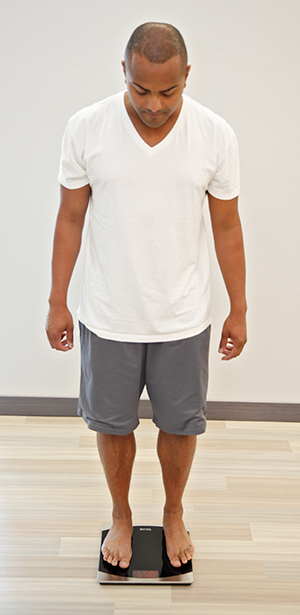
Rapid weight gain may mean that you are retaining fluid. This is a common sign of heart failure. Keeping track of your weight helps you notice this weight gain early. It can prevent further damage to your heart. To keep track of your weight:
-
Weigh yourself at the same time each morning, after you pee. Wear the same thing each time. Write down your weight each day.
-
Don’t stop weighing yourself. If you forget 1 day, weigh yourself again the next morning.
-
Call your healthcare provider if you gain:
-
More than 2 pounds in 1 day
-
More than 5 pounds in 1 week
-
Or whatever weight gain you were told to report by your healthcare provider
-
Call your healthcare provider
Call your healthcare provider if you:
-
Have mild dizzy spells
-
Notice new symptoms from your medicine
-
Start coughing again, especially if the sputum is frothy or foamy.
-
Have mild trouble breathing, especially while at rest or lying down. Or if you have trouble breathing during exercise or even while walking short distances.
-
Get tired faster
-
Start peeing less often
-
Find that your feet or ankles swell more than normal. Or if you have swelling in your legs or belly. Or if the veins in your neck stick out more than normal. You may notice it's harder to get into your shoes or pants because of swelling and bloating.
Call 911
Call 911 right away if any of these occur:
-
Pain, tightness, or pressure in your chest, arm, jaw, or back
-
Abnormally fast pulse or pounding heartbeat
-
Major trouble breathing, either at rest or with activity
-
Fainting or severe dizziness
Online Medical Reviewer: Robyn Zercher FNP
Online Medical Reviewer: Ronald Karlin MD
Online Medical Reviewer: Stacey Wojcik MBA BSN RN
Date Last Reviewed: 03/01/2024
© 2000-2025 The StayWell Company, LLC. All rights reserved. This information is not intended as a substitute for professional medical care. Always follow your healthcare professional's instructions.
Find a cardiac specialist
Because every beat matters, our cardiac doctors are dedicated to providing care like no other can.
Related Articles
Taking ACE Inhibitors
ACE inhibitors widen blood vessels and increase the amount of blood your heart pumps. These medications also lower blood pressure and decrease the amount of work your heart has to perform.
Eating Heart-Healthy Foods
Getting started with a heart-healthy diet.
Checking Your Blood Pressure
See the 8 steps to measuring your blood pressure at home.
Taking a Diuretic
Read on for tips about taking a diuretic safely, and signs that you should call your health care provider.