It may take you some time to adjust to your tracheostomy. You may wonder how it will affect your daily life. You will need to make some changes, but you can get used to having a tracheostomy tube ("trach tube"). Your family, friends, and healthcare providers can help.
Learning to adjust
At first, you may have mixed feelings about having a trach tube. This is common. You need to give yourself time to adjust. Using and caring for your trach tube will get easier and less awkward with time. Also, you may find that some people may be curious about your tube. They may stare or ask you questions. Decide how you will respond to this.
Living your daily life
To make living with your trach tube easier and safer, try these tips:
-
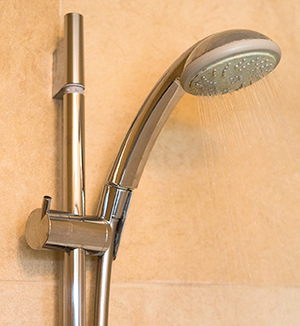
Keep your tube and stoma dry when you bathe or shower. A handheld shower nozzle may be helpful. Use a stoma cover, if you are told to. It can help to keep the water out.
-
Do not put anything into your trach tube that does not belong there. Never smoke through your trach tube. If you smoke, your healthcare provider can help you quit.
-
Make sure that your home has working smoke detectors, as your sense of smell may be less than what it was before the trach tube insertion.
-
If you are concerned about people staring at the trach, use a cloth stoma protector to make the trach less obvious. They even come in a variety of colors to match your shirt.
-
Cover your tube if you go to places where the air is dusty or dirty. Wear a heat moisture exchanger (HME) or place a thin, damp cloth or bandage over the end of the tube to act as a filter. Be sure that air can still get into and out of your tube.
-
Sit down and rest for a few minutes if you feel upset or start to gag. Breathe slowly and deeply. If this is a problem for you, tell your healthcare provider. They can help you learn to relax.
-
At first, you will need to suction your trach tube often to keep it clean and keep crusts from forming. This need will slow down in intensity over the first several weeks. Your healthcare provider can give you specific instructions on changing or cleaning the inner tube to keep it clear of crusts and mucus buildup.
-
Carefully follow the instructions your healthcare provider and speech therapist provided for eating and communicating.
For family and friends
A person with a tracheostomy needs to learn a new way to breathe. They need time to adjust. Be patient and supportive. Know that the person you love has not changed. Try to keep in mind the points below:
-
Learn how to care for the tracheostomy, in case your loved one needs help. Ask a healthcare provider to help you learn what to do.
-
Be alert for signs of a problem with the tracheostomy. If your loved one has a hard time breathing, call
911 right away. -
Try to be patient. Your loved one may become upset or angry at times. Having a tracheostomy can be frustrating, especially at first.
-
Encourage your loved one to get back to normal activities, including going out. Help them get used to being in public with the trach tube.
Online Medical Reviewer: Ronald Karlin MD
Online Medical Reviewer: Stacey Wojcik MBA BSN RN
Online Medical Reviewer: Steven Kang MD
Date Last Reviewed: 06/01/2024
© 2000-2025 The StayWell Company, LLC. All rights reserved. This information is not intended as a substitute for professional medical care. Always follow your healthcare professional's instructions.

