Types
Could You Have COPD?
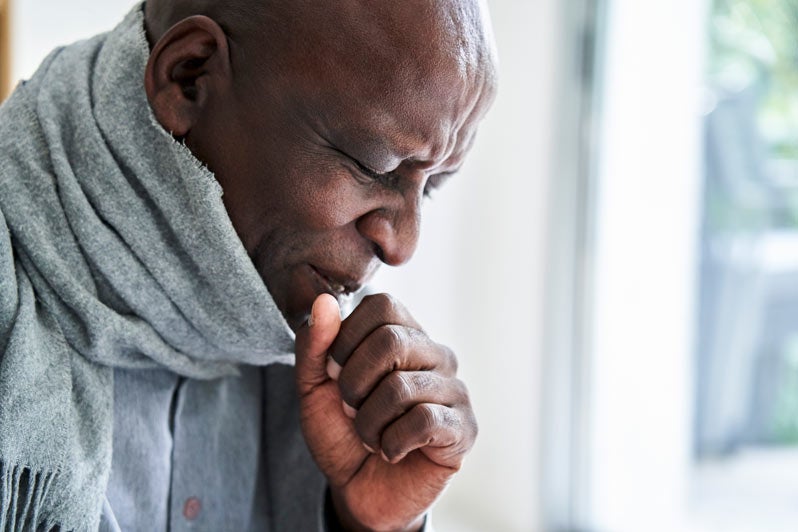
Maybe you get winded more easily these days doing things that once were no problem. Or maybe you have a nasty “smoker’s cough” that you can’t seem to shake.
Don’t simply write these things off to getting older. You might have COPD—short for chronic obstructive pulmonary disease. This long-term lung disease makes it harder to breathe. The risk of getting COPD rises once you turn 65, especially if you’re a current or former smoker.
Nearly 16 million Americans have been diagnosed with COPD. But it’s likely that many more have the disease without knowing it. That’s a lost opportunity, because treatment can help people with COPD feel better, be more active, and slow down worsening of the disease.
Recognizing the signs
Common symptoms of COPD include:
-
Frequent coughing, often with mucus
-
Wheezing
-
Shortness of breath, especially when physically active
COPD can sneak up on you slowly. The symptoms may be subtle at first. But over time, they may gradually get worse until they start to limit daily activities, such as climbing stairs or going shopping.
Getting a diagnosis
The symptoms of COPD are similar to those of other conditions such as asthma and heart failure. So if you have these symptoms, it’s important to see your healthcare provider for an accurate diagnosis.
COPD can be detected with a breathing test called spirometry. For this test, you simply take a deep breath in and then blow it out as hard as you can into a tube. The tube is connected to a machine that measures how much air you can breathe out and how fast you can do it.
Living well with COPD
Getting treatment for COPD can improve your well-being. If you smoke, quitting is crucial. Ask your provider about products and programs to help you quit.
Your healthcare provider may also prescribe a bronchodilator. This type of medicine, usually taken by inhaler, helps open up your airways so that it’s easier to breathe.
If you have severe COPD and low levels of oxygen in your blood, you may need oxygen therapy. You’ll receive extra oxygen through nasal prongs or a mask. This may help you protect your heart, sleep better, and live longer.
In addition, many people with COPD benefit from taking part in a pulmonary rehab program. This type of program teaches you about breathing techniques, nutrition, and exercise.
So if you suspect you could have COPD, see your healthcare provider. If you do have it, you’ll breathe easier knowing you have the support you need.


