Hormone therapy (HT) increases the levels of the hormones estrogen and progesterone in your body. This can help reduce symptoms of menopause. HT may also help prevent osteoporosis in some women. But HT may increase risk for certain conditions. These include blood clots, gallstones, heart disease, and stroke.
How to take hormones
To get the best results, always take your hormones exactly as directed. Hormones can be taken in any of these ways:
-
Pills containing estrogen, and sometimes other hormones, are taken as often as every day. This is the most common form of hormone therapy.
-
A patch, spray, or gel releases estrogen into the bloodstream through the skin. There is also a patch that contains estrogen and progesterone. The patch can be worn on your hip. Most patches are changed once or twice a week.
-
A vaginal ring containing estrogen can be used.
-
Cream used inside the vagina releases estrogen at that spot (locally). Only a very small amount gets into the bloodstream. For this reason, vaginal creams can treat vaginal atrophy and dryness. But they aren't used to treat hot flashes. The creams don't greatly raise your risk for heart attack or stroke. But if you use these more than twice a week in more than very small doses, larger amounts of estrogen do get into the bloodstream. This may affect the uterus, if you still have one.
Using estrogen for long periods without progestin raises the risk for cancer of the uterus.
Follow-up visits
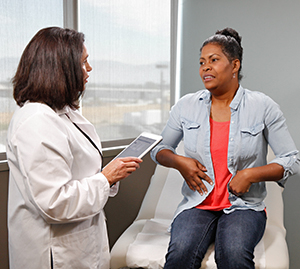
Have regular visits with a healthcare provider. These visits are a way to fine-tune your therapy. You can also be checked for any problems that might require you to stop HT.
When to call your healthcare provider
Call your healthcare provider if you have any of these symptoms:
-
Unexpected vaginal bleeding
-
A breast lump, or breast soreness that doesn’t go away
-
Severe headaches
-
Aching muscles in your back or legs
-
Sudden pain in your legs or chest
-
Shortness of breath
Featured in