At home, you play a major role in your recovery. Protect your back by moving safely and practicing good body mechanics. Also see your healthcare provider for follow-up visits.
Getting back into action
-
Take short, frequent walks each day. Ask your healthcare provider how long your walks should be and how often you should take them.
-
You may be able to drive or return to a desk job within weeks after surgery. If you do more active work, you may need to wait longer before going back.
-
Your healthcare provider will instruct you about a limit on the weight of items safe for you to lift the first few weeks after surgery. Generally, this is no more than 5 to 10 pounds.
-
As your back heals, you may feel ready to have sex. Ask your healthcare provider to suggest positions that will keep your back safe during sex.
-
Ask your healthcare provider about getting physical therapy (PT). PT is often very helpful after back surgery.
Keys to good body mechanics
Good body mechanics (how you move) help keep your back safe by putting the least amount of pressure on your spine. To help protect your back, follow these tips:
-
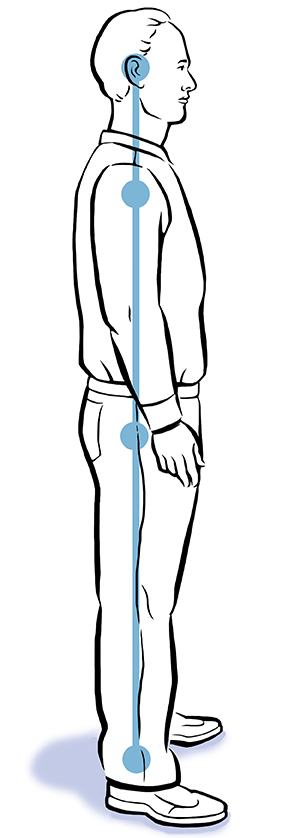
Always try to keep your ears, shoulders, and hips in line with each other.
-
When you move, tighten the muscles in your stomach to support your spine.
-
When you bend, bend at your hips and knees, not at your waist.
-
When you turn, do not twist your shoulders or waist. Instead, turn your whole body.
Talk with your healthcare provider about what exercise program is best for you. Always tell your healthcare provider if an exercise causes new or lasting pain, numbness, or tingling.
Online Medical Reviewer: Hanrahan, John, MD
Online Medical Reviewer: Image reviewed by StayWell medical illustration team.
Online Medical Reviewer: Jasmin, Luc, MD
Date Last Reviewed: 10/01/2024
© 2000-2025 The StayWell Company, LLC. All rights reserved. This information is not intended as a substitute for professional medical care. Always follow your healthcare professional's instructions.