Dismiss Modal

Understanding Healthcare

Standard Precautions: Removing Gloves Safely

Choose a preferred language

To remove gloves without spreading germs, never touch your skin with the outside of either glove. Follow these steps:


Step 1
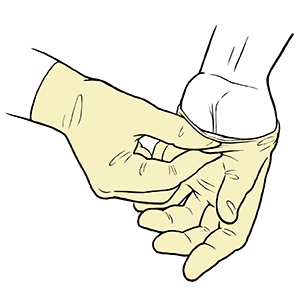
  • Grasp the outside of one glove near your wrist.

  • Carefully pull the glove off, turning it inside out.


Step 2
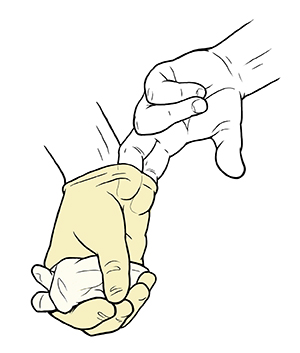
Two fingers of one hand pulling surgical glove off other hand.

  • Hold the glove in the palm of the still-gloved hand.

  • Slip 2 fingers under the wrist of the remaining glove.


Step 3
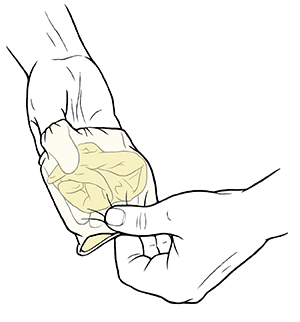
Hand pulling surgical glove off other hand.

  • Pull the glove until it comes off inside out.

  • The first glove should end up inside the glove you just took off.

  • Dispose of the gloves safely.


Step 4

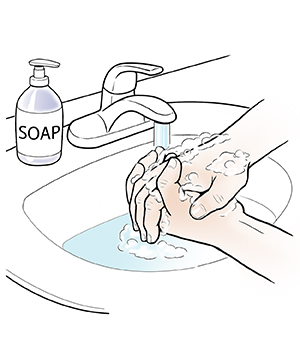
Hands washing with soap in sink.

  • Always wash your hands after removing gloves and before touching any objects or surfaces. Gloves can have holes in them that are too small to be seen.


When to wear gloves

Before putting on gloves, wash and dry your hands well. Cover scratches or scrapes with bandages.

  • Wear gloves whenever contact is possible with blood, all body fluids and substances (except sweat), broken skin, or mucous membranes.

  • Wear gloves when touching any item or area that may be contaminated.

  • Don't touch uncontaminated items with contaminated gloves.

  • Remove gloves right after use. Wash hands and put on clean gloves between patients and procedures. Don't reuse disposable gloves.

© 2000-2025 The StayWell Company, LLC. All rights reserved. This information is not intended as a substitute for professional medical care. Always follow your healthcare professional's instructions.

Find a doctor that's right for you.

From routine check-ups to groundbreaking treatments and beyond, Crestner Health is here to help you live your healthiest life.

Search our doctors
Related Articles
Read article
Wellness
Using Patient Education Materials

Patient information extends your office visit beyond the few minutes you can spend face-to-face. You can increase compliance and cooperation even further by using patient education materials in ways that help patients learn and remember more of your advice.

Read article
Wellness
What You Need to Know About Informed Consent

Informed consent supports a person's right to make decisions about their own healthcare. It gives them the information needed to understand a specific medical or surgical procedure. They can then decide whether or not to have the procedure. Read on for more details.

Read article
Wellness
Safe Disposal of Unused Prescription Medicines

Don’t keep medicines around your home that you no longer use. Instead get rid of them safely.

Read article
Wellness
Communicating More Clearly With Patients

Use these tips to help you maximize each patient encounter. They'll help you get your message across in a clear, understandable way.