Recovery from a heart attack may take a few months. As you slowly get better, stick to the lifestyle changes you have made. Don’t go back to the same old habits. They may have led to your heart attack. After a heart attack, you are likely to be prescribed some new medicines. Some medicines help prevent future clots that could lead to another heart attack. Other medicines treat other conditions such as high blood pressure and high cholesterol. Take your medicines as prescribed by your health care provider and follow all instructions for taking them. Report any side effects as instructed. Consult with your provider before taking any over-the-counter medicines, vitamins, or herbal supplements to be sure they are compatible with your prescription medicines. And stick to the changes you’ve made to improve your heart and overall health. Here are more ways to help you live well after a heart attack.
Follow up with your provider
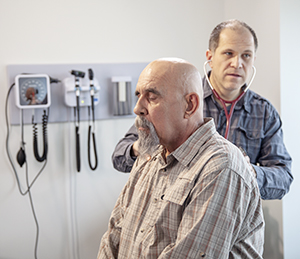
See your health care provider for follow-up visits as directed. During these visits, your provider will ask you about your medicines and how well they are working. If needed, your provider may change your dosage or prescribe new medicines. You may have tests done again. These can include blood tests, ECGs, or exercise stress tests. If you have questions, keep a list. Ask them during these visits.
Take care of yourself
-
Don’t push yourself. You may feel better. But listen to your body. Don’t push yourself too hard or too fast. If you go back to work, think about going part-time at first.
-
Build in some stress breaks. Every few hours, stop what you’re doing. Do some deep breathing or visualization.
-
Get enough sleep. This is even more important after a heart attack. Sleep helps your body heal.
-
Stay alert for signs of another heart attack. Get help right away if you think you’re having another heart attack. The sooner you get treatment, the less damage will be done to your heart.
-
Keep your new good habits. Be mindful of the good habits you've learned. Don't go back to your past unhealthy lifestyle.
Rely on your supports
-
Friends, family, and coworkers may want to help. But they likely don’t know how. Be honest about your heart attack and tell them practical ways they can help out.
-
Tell friends, family, employers, and coworkers about the limitations you have.
-
Encourage friends and coworkers to share lunchtime walks and healthy snacks with you.
-
Pick a few close friends to encourage you. This can be helpful if you have trouble with the changes you’re making.
-
Keep using support groups or heart rehab programs. These give ongoing support and structure. This can help you keep your heart-healthy changes for good.
-
Use your resources to help you stick to your new lifestyle. This will let you make changes that last.
For family and friends
Your loved one will have ups and downs. That’s normal. Help them focus on the positive and help when needed.
Sticking to lifestyle changes will help them feel better and be healthier. You can show your hands-on support for their healthier choices by making the same changes in your lifestyle, too. That may encourage your loved one to make and keep these new healthy habits.
If requested, try to go with your loved one to follow-up visits with their health care provider, or join them at a support group. This helps you to get the latest update on their health status. It also provides your loved one with much-needed emotional support. Always talk about your concerns with your loved one. Keep the conversation open.

Find a cardiac specialist
Because every beat matters, our cardiac doctors are dedicated to providing care like no other can.
Related Articles
Pacemakers
A pacemaker is a small electronic device that helps your heart's electrical system beat at the right pace. Inserting the pacemaker into your body is called implantation. You stay awake during the procedure.
Starting a Cardiac Rehab Program After Heart Surgery
A cardiac rehab program is a stepped approach to help you recover after bypass surgery.
Taking Your Blood Pressure
You can take your own blood pressure reading using a digital monitor. Follow these step-by-step directions.
Heart Failure: Being Active
Being active doesn't mean that you have to wear yourself out. Even a little movement each day helps to strengthen your heart. If you can't get out to exercise, you can do simple stretching and strengthening exercises at home. Read on for helpful tips to be a bit more active.